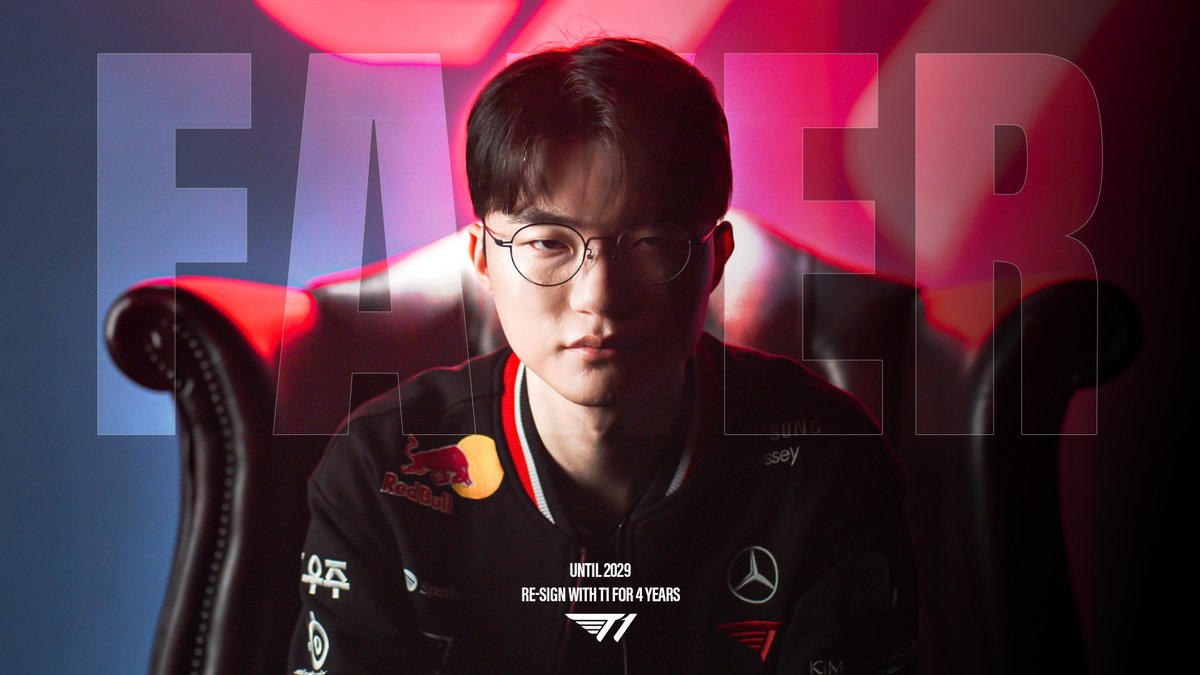
Ever wonder how Faker, the legendary League of Legends player, pulls off those lightning-fast maneuvers and pinpoint skillshots? A significant part of his edge comes down to his "faker dpi" setting and how it translates into in-game precision. Finding that sweet spot between speed and accuracy is crucial for any gamer, and this guide will help you dial in your own perfect mouse sensitivity.
At a glance:
- Faker typically uses 800 DPI, a popular setting among professional gamers.
- DPI (dots per inch) measures mouse sensitivity; higher DPI means faster cursor movement.
- The ideal DPI depends on your game genre, playstyle, and personal preference.
- Experiment with different DPI settings and in-game sensitivity to find the right balance.
- Consistency is key – stick with a DPI setting once you find one that works.
Why Mouse Sensitivity Matters: Precision vs. Speed
DPI, or dots per inch, is the measurement of your mouse's sensitivity. A higher DPI means your cursor moves further on the screen with the same amount of physical mouse movement. Think of it like turning the volume up really high on your stereo – a tiny adjustment creates a big sound. In gaming, understanding "faker dpi" and its impact is critical for performance.
Why is this important? Because the right DPI can make or break your gameplay. Here’s the breakdown:
- Precision: Lower DPI allows for more controlled and accurate aiming, especially crucial in first-person shooters (FPS) and when executing precise maneuvers.
- Speed: Higher DPI enables quicker panning, faster reactions, and swift navigation around the game world. This is helpful in fast-paced games or when you need to cover ground quickly.
Many gamers look to the pros for guidance. So, what DPI does Faker actually use?
Faker's Mouse and DPI: The Sweet Spot
As of the latest information, Faker typically uses a DPI setting around 800. Notably, Faker uses the CORSAIR SABRE with a DPI of 3500 and in-game sensitivity 70. This used to be the case but now Faker uses a Razer DeathAdder V3 Pro. While specs change, the 800 DPI remains fairly consistent with many of his settings over time. This doesn't mean it's the perfect DPI for everyone, but it's a solid starting point.
Why 800 DPI Works for Faker
There are advantages to his choice:
- Precision Control: In League of Legends, precision is paramount. Landing skillshots, positioning in team fights, and efficiently navigating the map all demand accuracy. An 800 DPI allows Faker to execute these actions with enhanced control.
- Comfort and Consistency: Maintaining a consistent DPI helps develop muscle memory. It becomes easier to replicate actions during matches, leading to more reliable performance under pressure.
Faker's real name is Lee Sang-hyeok (이상혁), and he's become a household name in eSports Tweak Your Fantasy League Rules because of his consistently high performance. This consistency translates to minimizing changes.
Decoding Faker's Gaming Setup
Looking at Faker's gaming setup provides context to why he chooses 800 DPI. Keep in mind, his total setup is meticulously optimized for peak performance.
- Mouse: The type of mouse he uses significantly affects feel and performance. High-quality gaming mice, like the Razer DeathAdder V3 Pro, offer customizable DPI settings, letting him adjust sensitivity on the fly.
- Mousepad: A large, smooth mousepad allows for seamless and precise movements.
- Monitor: A high refresh rate monitor (like the BenQ XL2430T he's known to use) enhances visual clarity during fast-paced action.
- Ergonomics: The right chair and desk height are crucial for preventing fatigue during long practice sessions.
By optimizing each element, Faker ensures he can fully focus on the game without distractions.
Finding Your Ideal DPI: A Step-by-Step Guide
While Faker's settings are a good reference point, the best DPI is the one that feels right for you. Here’s how to find it:
Step 1: Consider Your Gaming Genre
Your preferred game type significantly influences your ideal DPI:
- First-Person Shooters (FPS): Lower DPI (400-800) generally provides better precision for aiming and recoil control.
- MOBA Games (League of Legends, Dota 2): Higher DPI (800-1600) can help with quickly navigating the map and reacting to fast-paced situations, but balance it with precision for skill usage.
Step 2: Experiment With Different DPI Settings
Most gaming mice come with software that allows you to easily adjust DPI settings. Popular brands like Logitech, Razer, and Corsair offer excellent utilities for fine-tuning your preferences.
- Start with a moderate DPI: Begin with 800 or 1600 DPI as a baseline.
- Test in-game: Hop into a game and move your mouse around. Do you feel in control? Are you overshooting targets or struggling to keep up with the action?
- Adjust incrementally: Increase or decrease the DPI in small increments (e.g., 100-200 DPI at a time) until you find a range that feels comfortable.
Step 3: Fine-Tune With In-Game Sensitivity
DPI is only half the equation. You also need to adjust the in-game sensitivity settings.
- The equation: DPI x In-Game Sensitivity = Overall Sensitivity.
- Find the balance: Experiment with both DPI and in-game sensitivity to achieve the desired level of control and responsiveness.
Step 4: Practice and Stick With It
Once you've found a DPI setting and in-game sensitivity that feels comfortable, stick with it.
- Consistency is key: Muscle memory is crucial for consistent performance. Switching DPI settings frequently can disrupt your aim and reactions.
- Practice regularly: Spend time practicing with your chosen settings to develop muscle memory and improve your overall gameplay.
Common Questions About Mouse Sensitivity
Let's address some frequently asked questions about DPI and mouse sensitivity.
Q: Is a higher DPI always better?
No. A higher DPI isn't inherently better. It depends on your game, playstyle, and personal preference. While it allows for faster movement, it can also make it harder to control your aim precisely.
Q: Does my mouse matter for DPI?
Yes, the quality of your mouse significantly impacts your experience. A high-quality gaming mouse will offer more precise tracking, customizable DPI settings, and a comfortable ergonomic design.
Q: Can I change DPI settings on the fly?
Many gaming mice have dedicated buttons that allow you to switch between different DPI settings on the fly. This can be useful for different situations in a game, such as switching to a lower DPI for sniping and a higher DPI for close-quarters combat.
Q: Should I copy Faker's exact DPI settings?
While Faker's settings are a useful starting point, it's essential to find what works best for you. His setup is optimized for his specific playstyle and preferences. Experiment with different settings and find what gives you the most control and comfort.
Beyond DPI: Mastering Mouse Control
Finding the right "faker dpi" is just one piece of the puzzle. Here are some additional tips for improving your mouse control:
- Mouse Grip: Experiment with different mouse grips (palm, claw, fingertip) to find the one that feels most comfortable and gives you the best control.
- Mousepad Surface: The surface of your mousepad can affect how your mouse glides. Experiment with different surfaces (cloth, hard plastic) to find the one you prefer.
- Practice Aim Training: Use aim training software or online games to practice your aim and develop muscle memory.
- Ergonomics: Ensure your setup is ergonomically sound to prevent fatigue and injuries. Use a comfortable chair, adjust your desk height, and take breaks regularly.
Final Thoughts: Dialing In Your Perfect Sensitivity
Ultimately, the ideal "faker dpi" for you is the one that allows you to perform at your best. There's no magic number. Experimentation, practice, and personal preference are key. Take the time to find the right balance of speed and precision, and you'll be well on your way to improving your aim and overall gaming performance.